Unfortunately, many of the olive oils we buy, especially in America, are not “real” olive oils. Almost 80% of Italian olive oils imported to the U.S. are false. What does it take to be fraudulent olive oil?
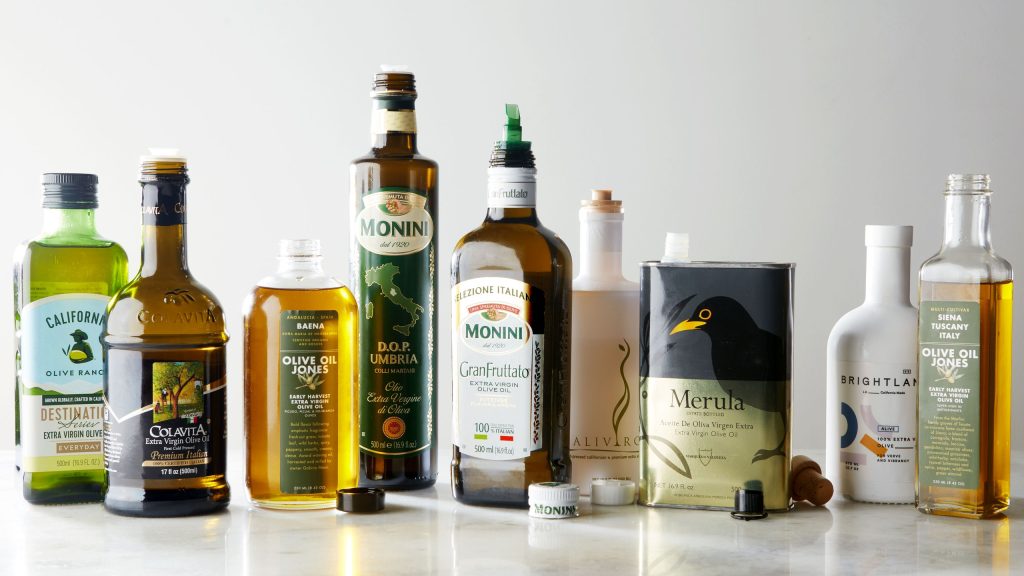
First, the label can be misleading. Even when labeled “Italian extra virgin” it can easily be neither of those! Oils from different regions and/or countries are often blended together to form one olive oil, but most of these oils are not certified extra virgin. The worst of the fraudulent olive oils consists of cheap soybean or other vegetable oils masked with aroma and coloring to appear as real olive oil (and it is illegal). Also, Spain is the largest producer of olive oils, whereas Italy is largely importing and bottling most of the olive oil we buy.
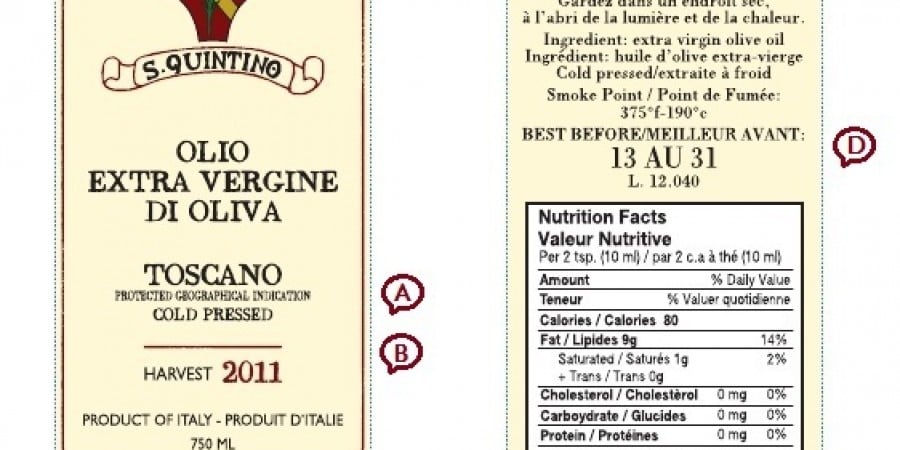
How do you determine if the olive oil is “real”? Olive oil experts encourage to focus on bottles with more details. These details may include the harvest date or when it was pressed, the variety of olive used, the estate where it was grown, and even the free fatty acid level (those with a level of 0.2% or lower are often the highest in quality). Always ignore the “best by” or “use by” dates, those do not attain to the quality, as the oil could have already been sitting in tanks for months before bottling. Look out for third-party certifications, such as DOP (from Italy) and COOC Certified Extra Virgin (from California). When it comes to the price of the bottle, simply never opt for the cheapest oil as it will almost always associate with a lower quality product. Finally and most importantly, the experts urge to trust your senses!
my resources:
https://www.epicurious.com/ingredients/the-absolute-best-extra-virgin-olive-oil-for-cooking-article
 Kerry's Food & Wine Adventures