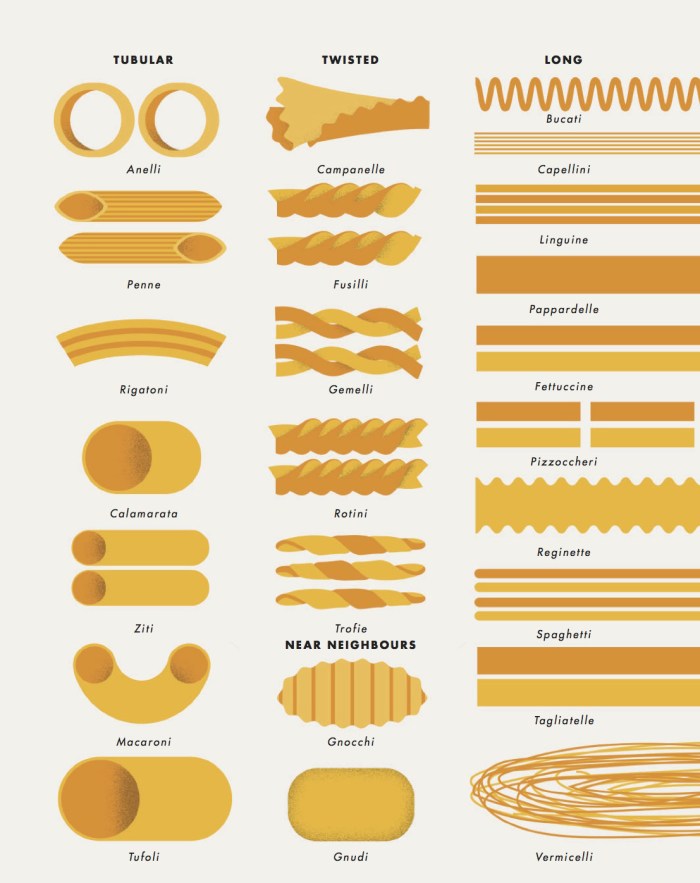
There are more than 1,000 different shapes of pasta used in Italian cooking. Each and every one of these shapes has a different meaning behind it. There is such a variety of sauces in Italian cuisine which is what primarily causes the variety in pasta shapes. Dry pasta also differs from fresh pasta when it comes to shaping and purpose. Dry pasta can hold a few shapes better than fresh pasta due to its sturdiness. I am going to show you several examples of different shapes of both fresh and dry pasta. I will start with a few classic varieties of dry pasta.
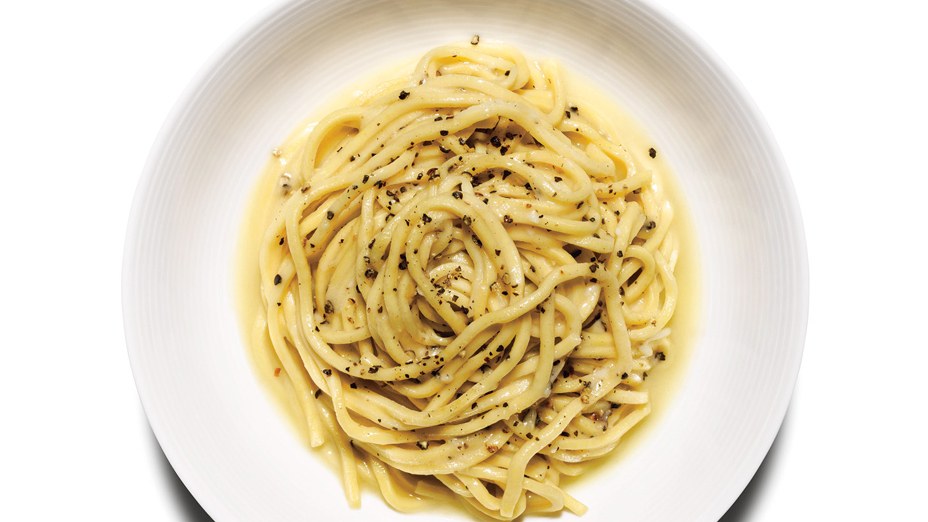
Spaghetti is thin and often served with loose tomato sauces. An exception to this, however, is common (and famous) dish served in Rome known as Cacio a Pepe. It is simply made with spaghetti, parmigiano-reggiano, and pepper.
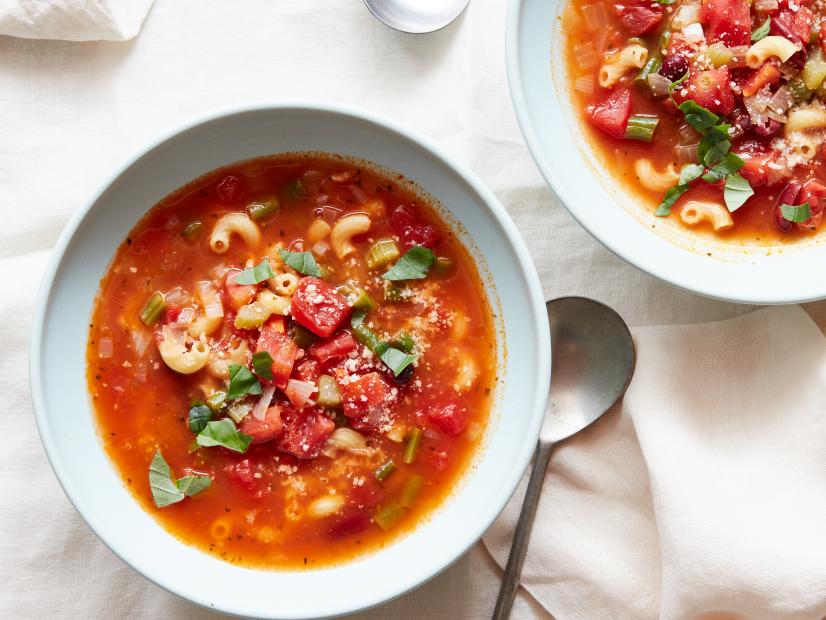
Macaroni, another classic in the dried pasta world, has a unique purpose. Its shape was not created to hold sauces well. Instead macaroni is best for soups such as minestrone. A modern favorite, mac n’ cheese, allows the unique shape to float in a cheesy beschamel which eventually will be baked.
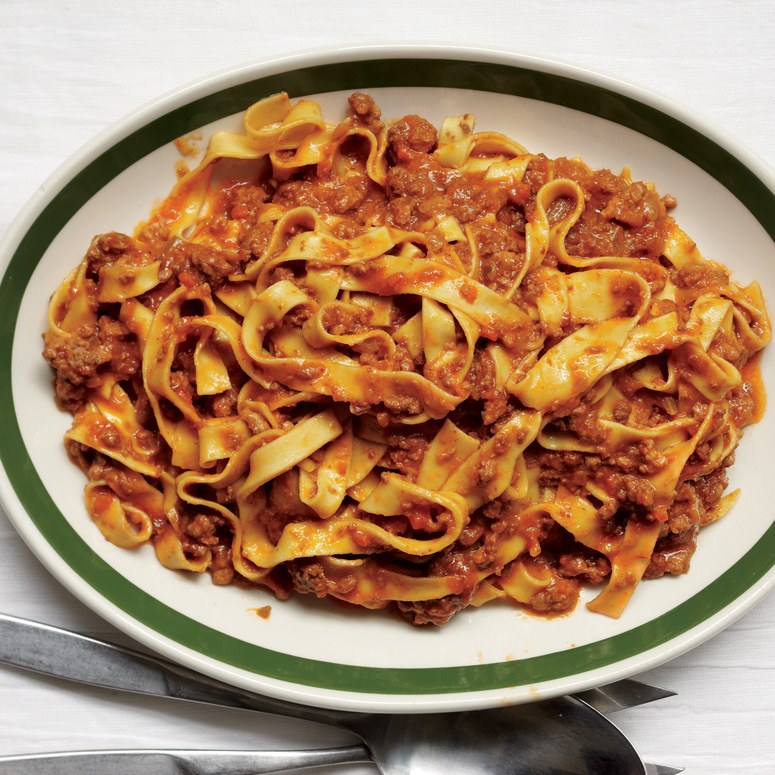
With fresh pasta, you will come across lots of longer, flat pastas such as pappardelle and tagliatelle. The wideness of pappardelle was created for the purpose of holding heavy, gamey sauces. Tagliatelle, a favorite among Italians in the north, is about a third as wide as pappardelle. It is a versatile variety of fresh pasta; it can be used for a heavy sauce such as bolognese, or cheesy, buttery sauces such as pesto.
Another variety of fresh pasta, the lesser known taglierini, is smaller than tagliatelle which allows for a short cooking time. This shape of fresh pasta is often used for special occasions, in dishes with light, fresh fish during the summer, and white truffles in the winter. Its small and light shape create a perfect home for light sauces.
There are unique meanings and purposes behind all 1,000+ shapes of pasta. Unfortunately I am not highlighting each and every variety, but here are a few more classics that I have yet to list:
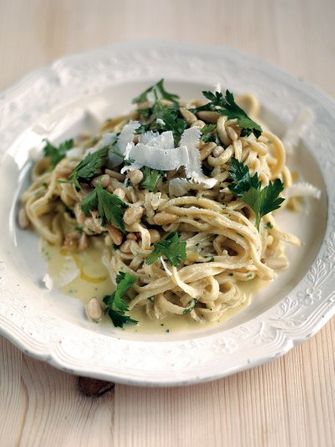
Rigatoni (dried)-tubular, cylindrical
Cavatelli (fresh)-little hot-dog buns
Farfalle (dried)-bowties
Penne (dried)-tubular, pointed
Gnocchi (fresh)-oval
My pasta resources:
https://www.smithsonianmag.com/sponsored/patents-behind-pasta-shapes-180971388/
https://www.jamieoliver.com/features/the-ultimate-guide-to-pasta-shapes/
 Kerry's Food & Wine Adventures